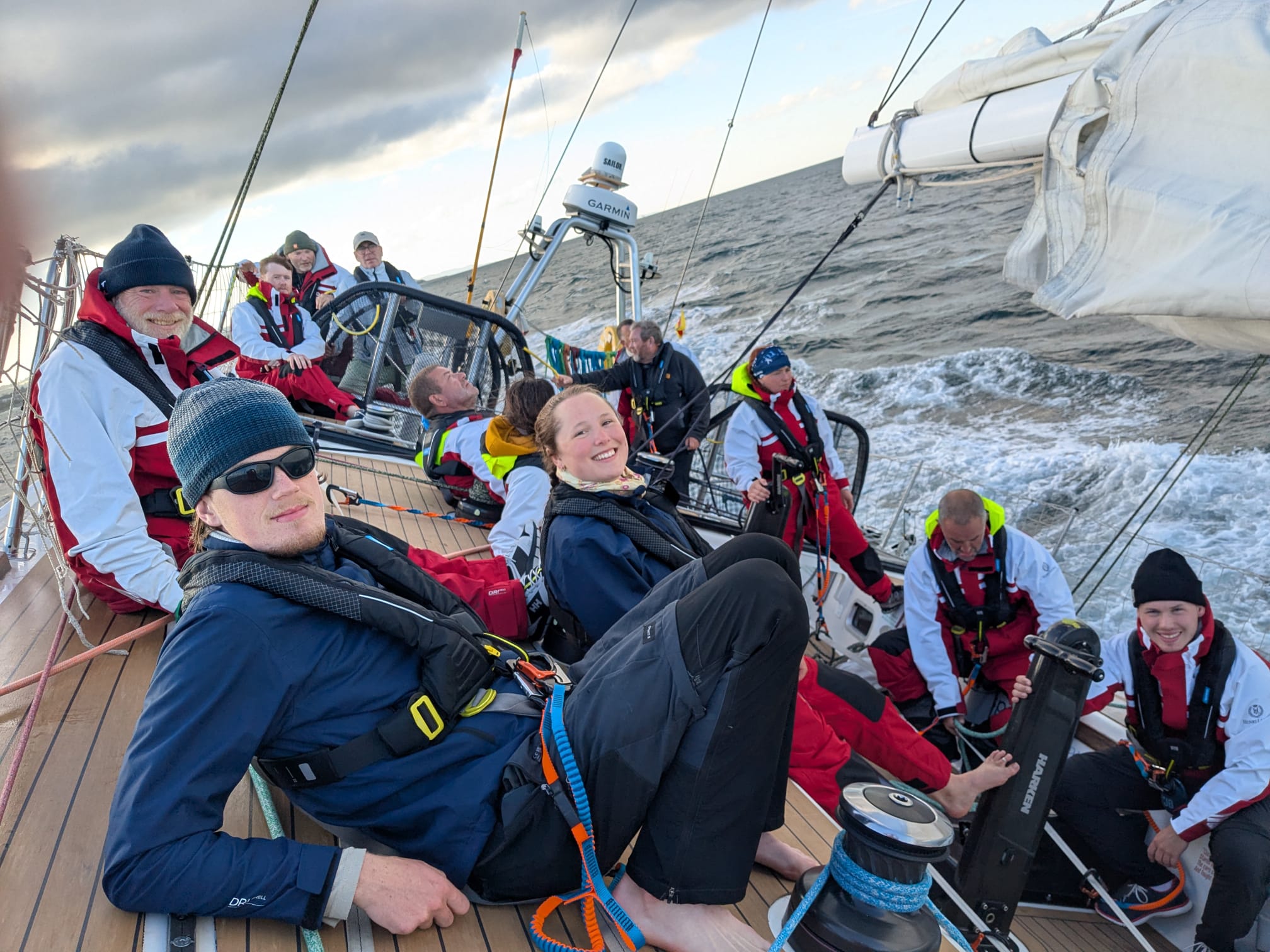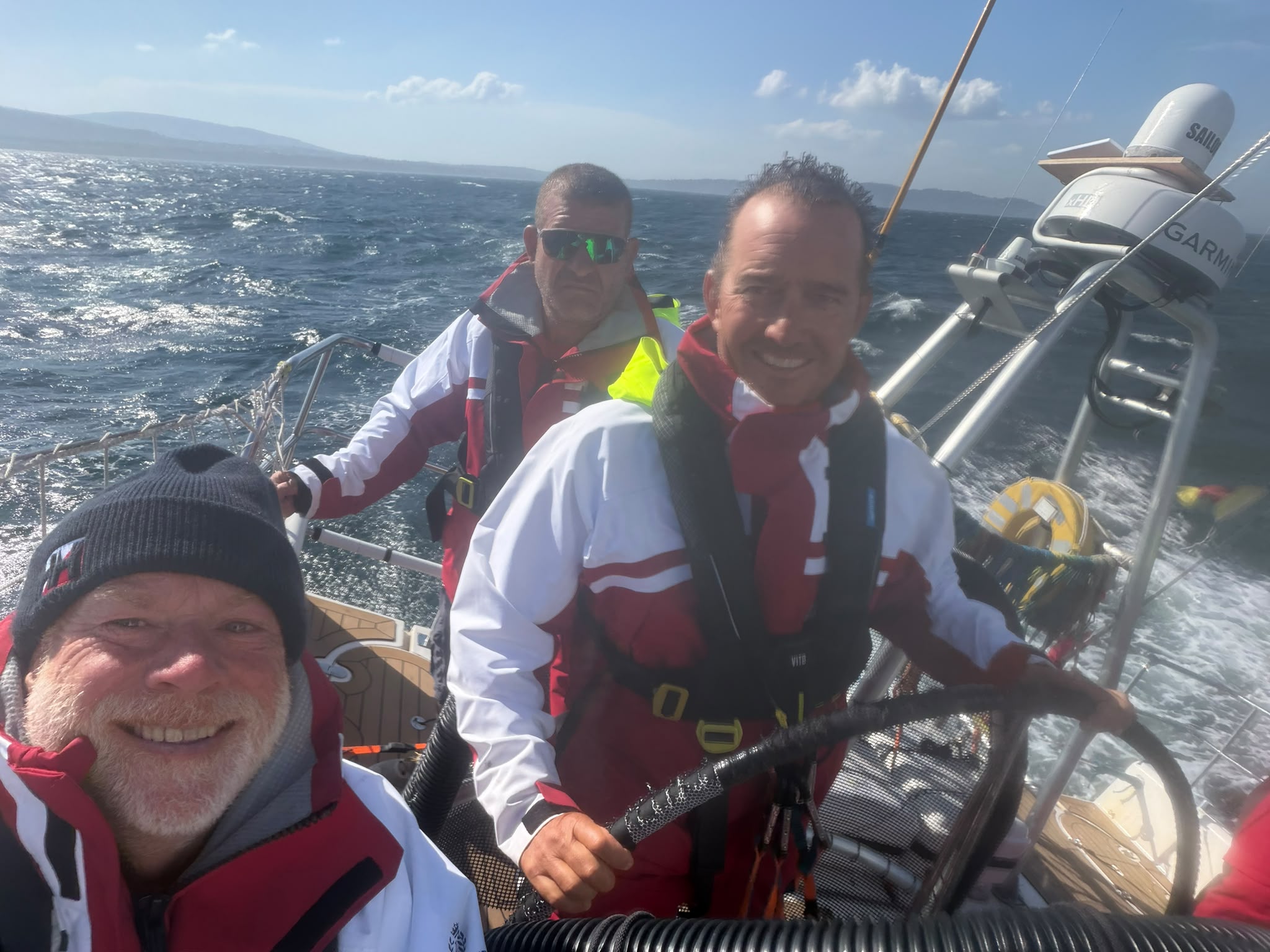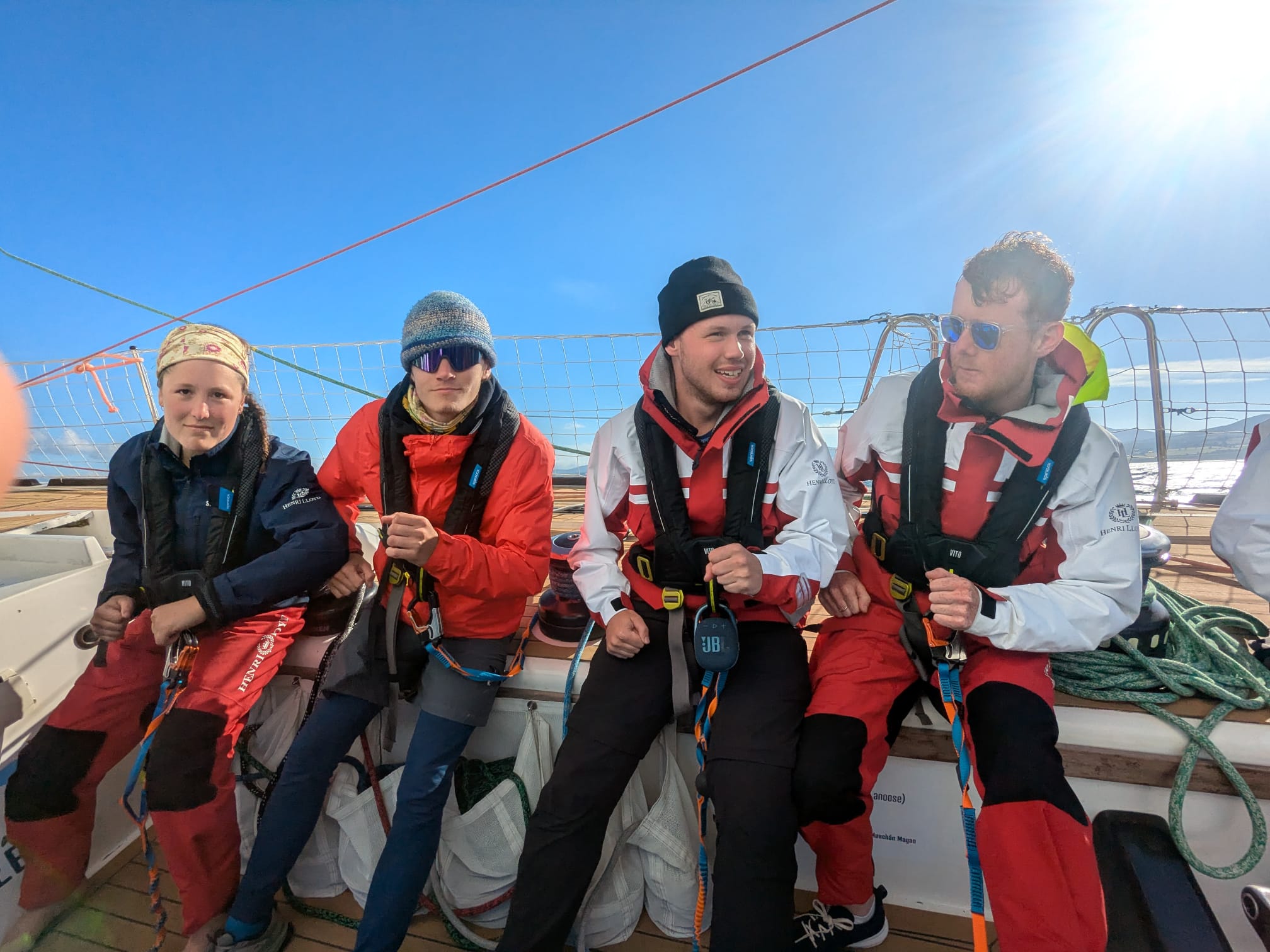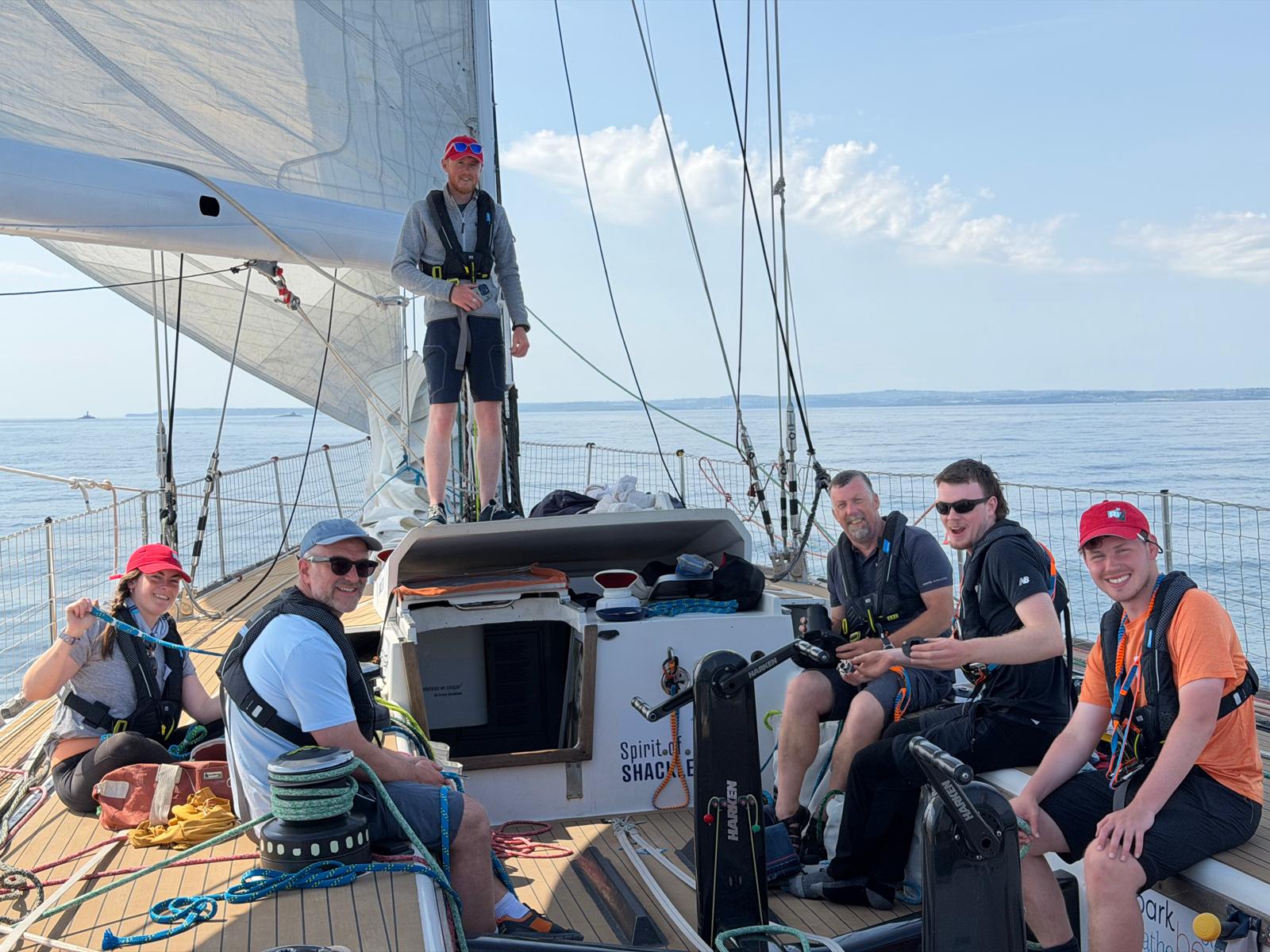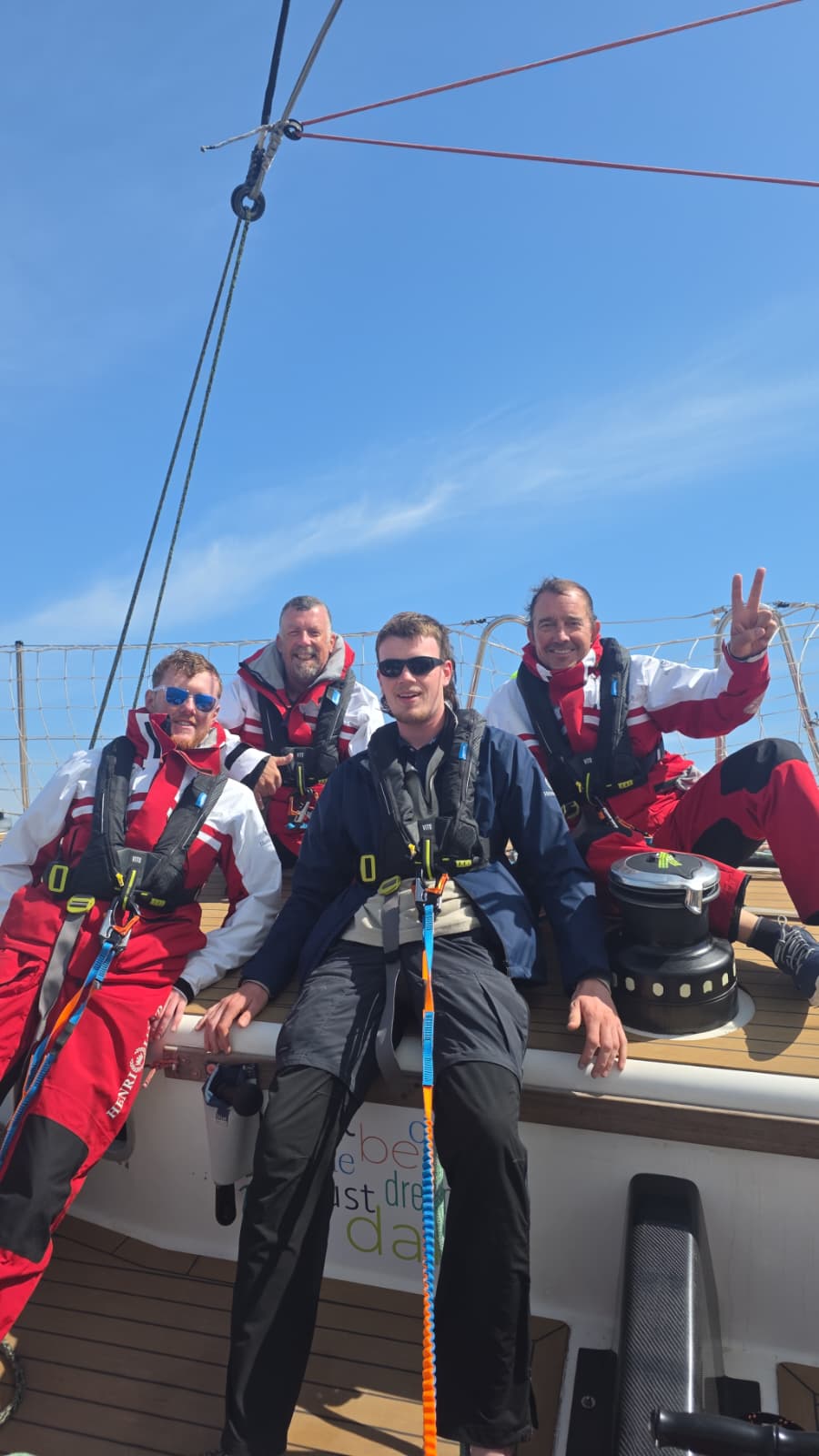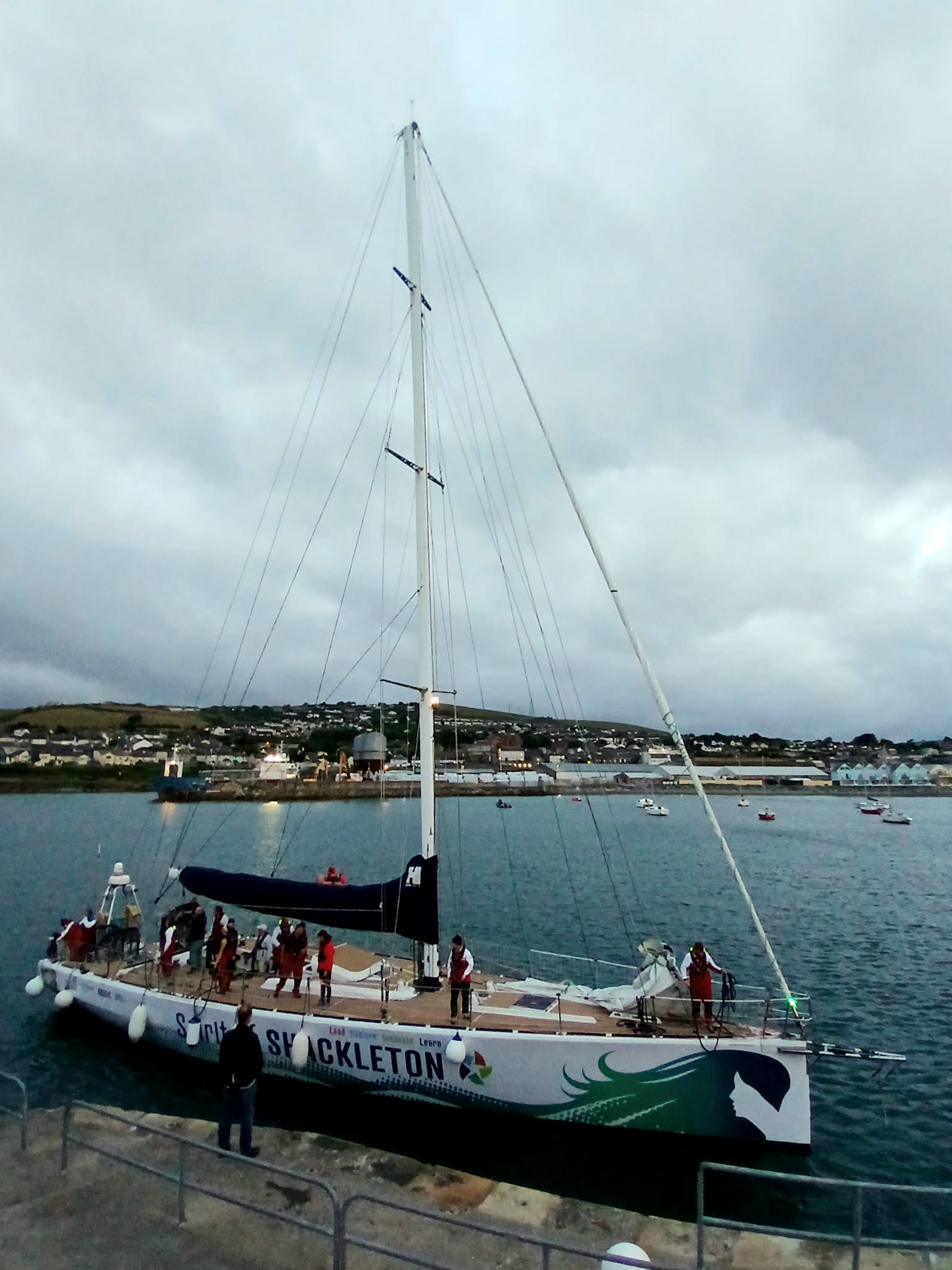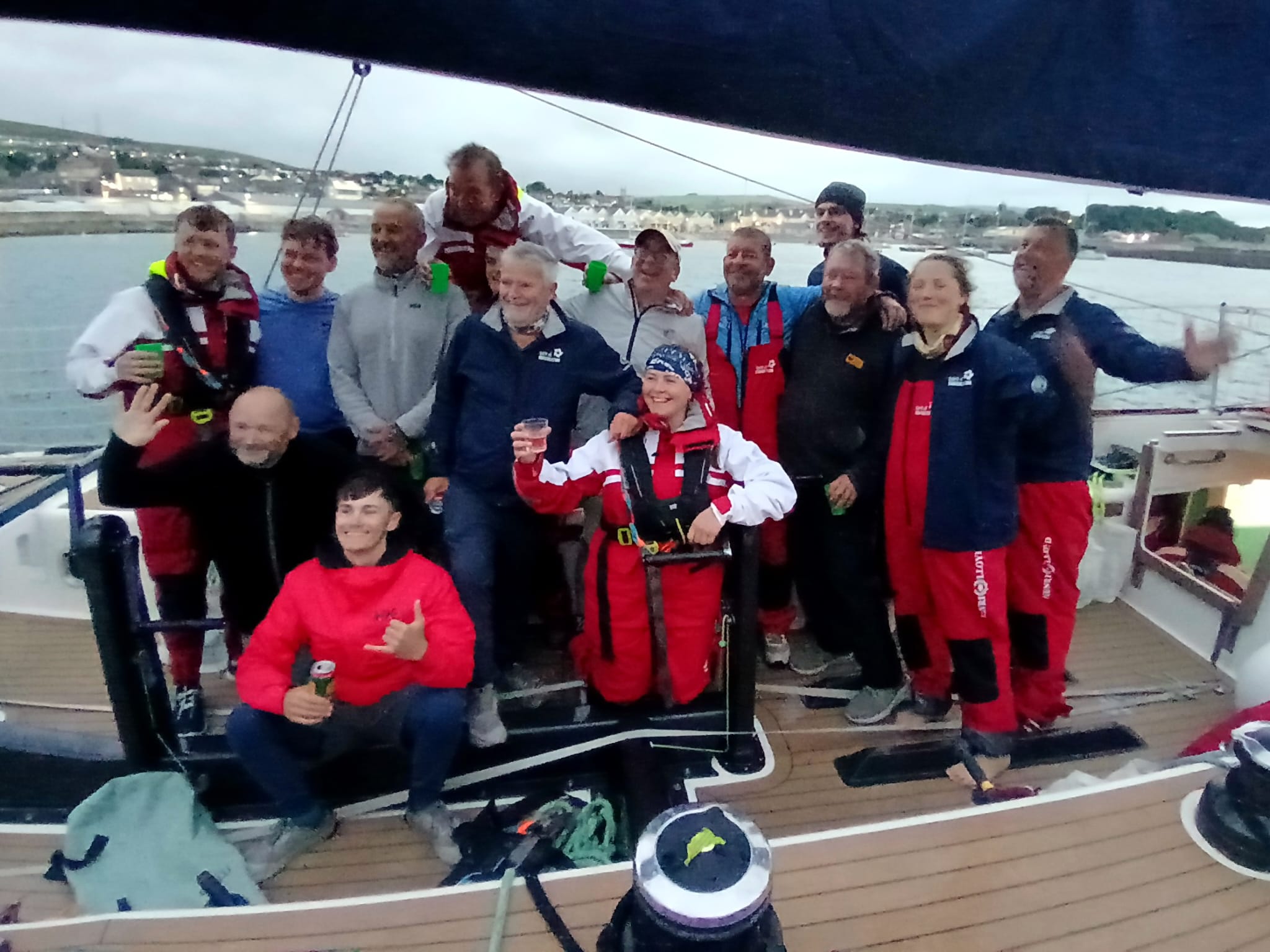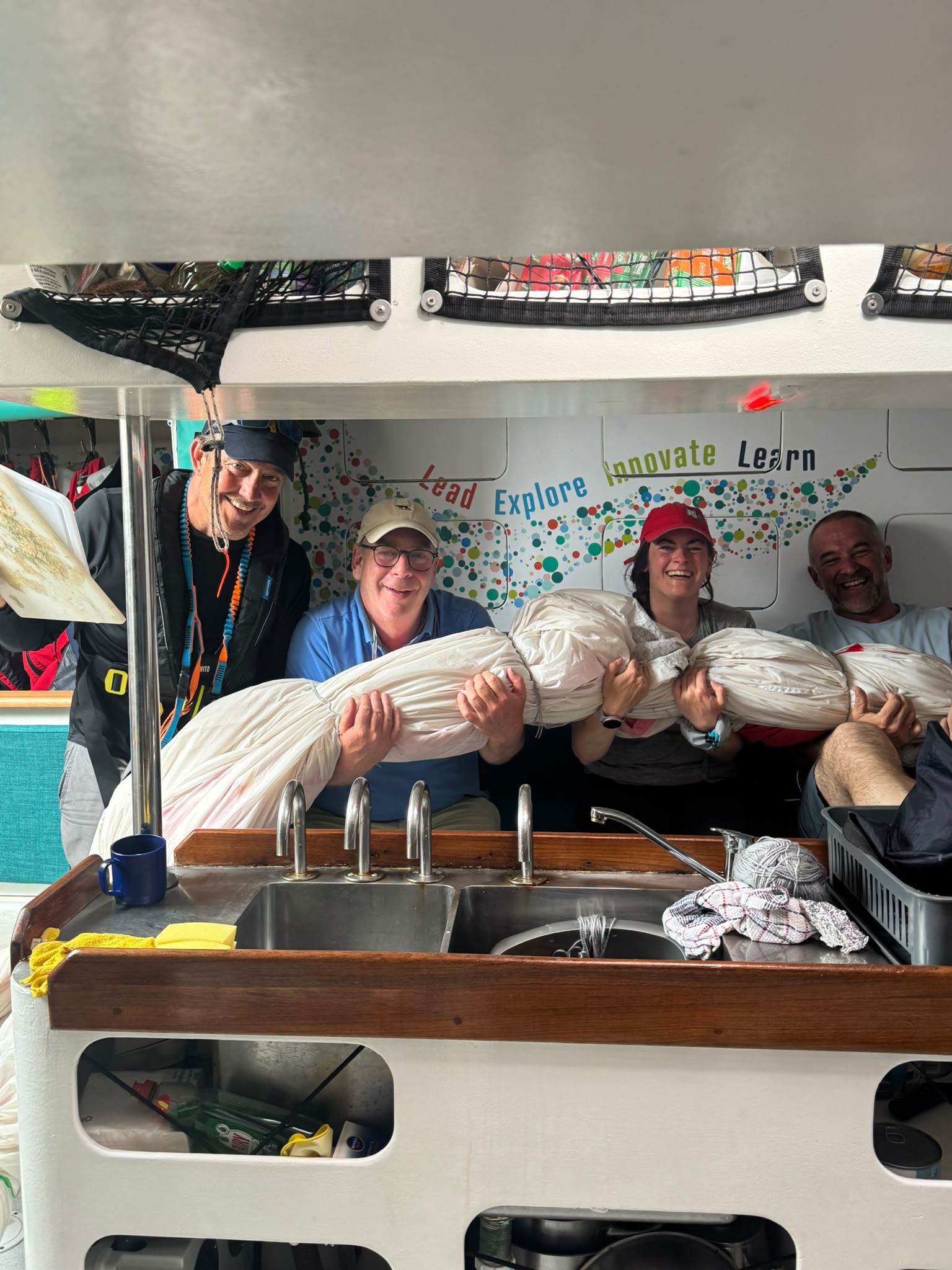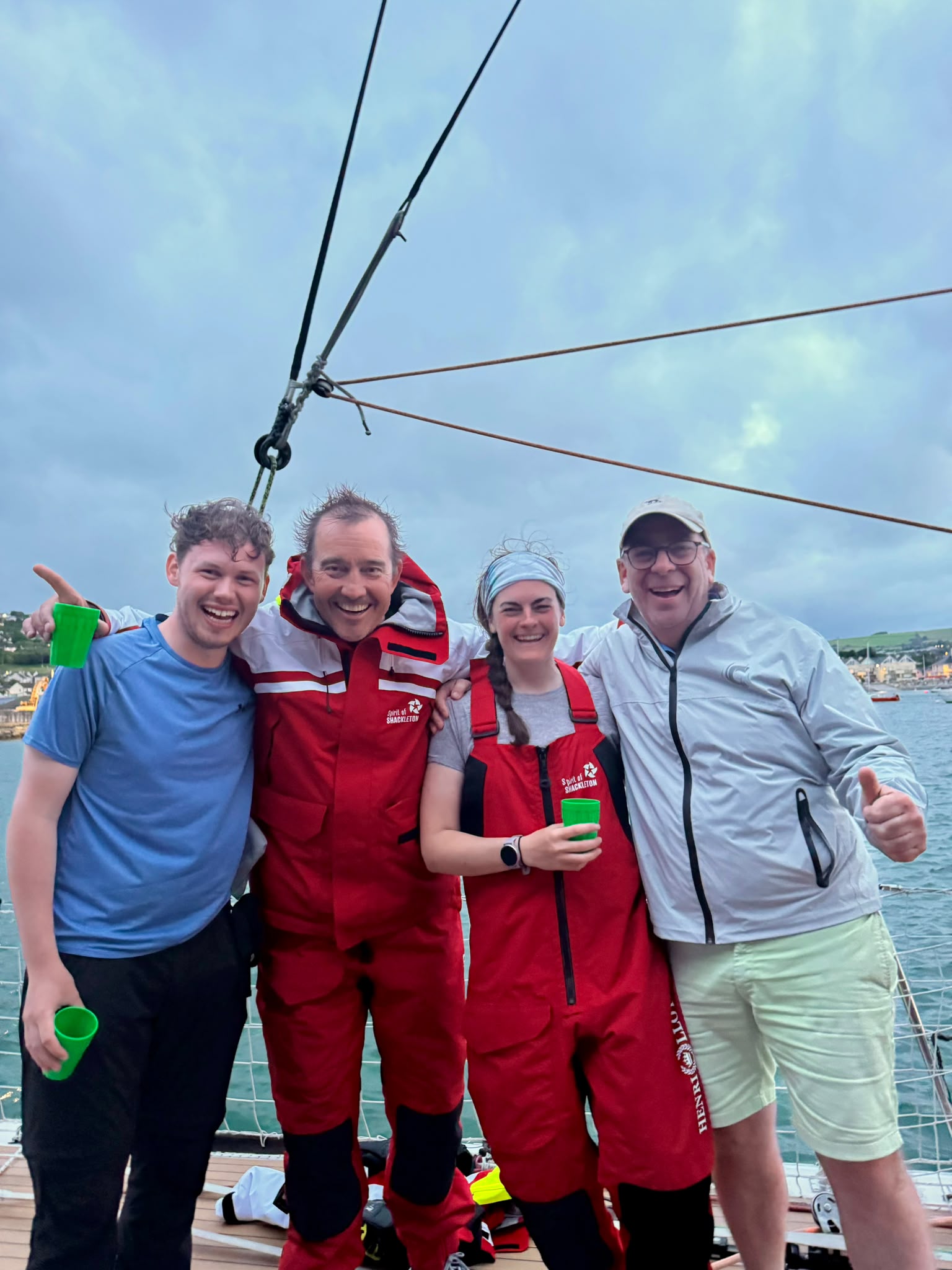
The Spirit of Shackleton has completed the 2026 Round Ireland Race, marking an important milestone in her first major offshore challenge under the Atlantic Shackleton Global Foundation and Atlantic Youth Trust banner.
The 704-nautical-mile race, which started from Wicklow on Saturday 20 June, is one of Ireland’s greatest offshore sailing challenges. Taking crews around the full coastline of Ireland, the race tests endurance, seamanship, teamwork and resilience in equal measure.
For the Spirit of Shackleton, this was about far more than crossing a finish line. It was the beginning of a much bigger journey.
Sailing with an all-island crew under Skipper Enda O’Coineen and Sailing Master Bobby Beggs, the 70-foot Clipper yacht took on the race as part of a wider mission to connect young people with the ocean, adventure, leadership and opportunity.
Among the crew were Atlantic Youth Trust bursary participants who joined more experienced sailors on board, creating a powerful mix of learning, mentorship and teamwork. Their involvement reflects the purpose at the heart of the Spirit of Shackleton programme: to open doors, build confidence and create real-world learning experiences through ocean adventure.
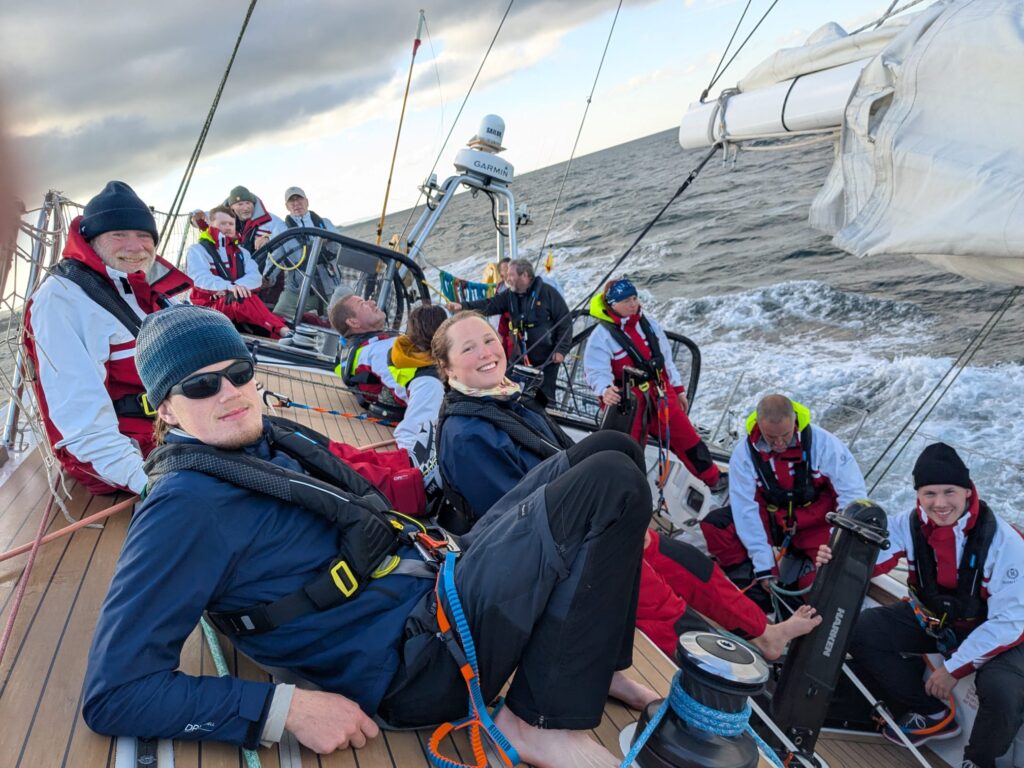
Life at sea demands focus, trust and resilience. Crew members must work together, make decisions under pressure, adapt to changing conditions and support one another through long days and nights offshore. For many on board, the race became a lesson in patience, confidence and saying yes to something that felt far outside their comfort zone.
As crew member Jessica Conneely reflected:
“A month ago, I got a message asking if I’d be interested in racing on a yacht around Ireland. I’d never sailed before and thought it was an absolutely crazy idea, but I said yes anyway. It pushed me well outside my comfort zone, but it turned out to be one of the best decisions I’ve made.
The training trip to Holyhead was a baptism of fire with 40-knot winds, so by the time the Round Ireland Race came, I had prepared myself that sailing was not always sunshine and smooth seas, although it turned out most of this one was, which was another challenge in itself.
Someone said to me early on, ‘It’s all about the people,’ and they were absolutely right. The best part of the week was the team. Everyone mucked in, looked out for each other and made it great craic, even on very little sleep.
I also really enjoyed how much emphasis was put on teaching. Everything was explained in such a calm way and it felt like a real learning environment. Even on the days with no wind, we were learning practical skills like cleaning winches, making sail ties and whipping.
I came away with far more than sailing skills: great memories, new friends, and knowing that some of the best things happen when you say yes to something that scares you a little.”
For Edel O’Regan, the race was an emotional and deeply personal experience. Having said yes without fully knowing what lay ahead, she found herself adapting quickly to life at sea, working within the watch system and learning to trust both the boat and the team around her.
“The race is renowned for its challenging conditions, with unpredictable weather and constantly changing sea states. We joined the crew of Atlantic Shackleton, a training yacht that gives novice sailors the opportunity to develop their skills on an offshore expedition racing yacht.
From the moment we met Enda, the owner, and the experienced lead crew, Bob, Ollie and Eric, we felt welcomed and supported. On race day, receiving our Spirit of Shackleton jackets and T-shirts made the adventure feel real.
There were sixteen people on board with a wide range of sailing experience, yet everyone worked together as one team. I was struck by how calm, patient and encouraging the lead crew remained, even during the most demanding situations in the middle of the night.
Although the race was expected to take four days, light winds and periods of complete calm stretched it to six. I had prepared myself for an intense physical challenge, but instead the greatest test was mental. Learning to accept the conditions, be patient and trust that the wind would eventually return taught me an important lesson about resilience and adapting to circumstances beyond my control.
The highlight of the race was sailing past Cape Clear Island and the Fastnet Lighthouse. As my family comes from Cape Clear, it was an incredibly emotional and special moment that I will never forget.
Looking back, the Round Ireland Yacht Race was far more than a sailing challenge. It taught me the value of teamwork, patience, resilience and embracing uncertainty. It gave me memories, friendships and a sense of achievement that will stay with me for the rest of my life.”
For Eoin OhEochaidh, the race was defined by moments of excitement, pressure and teamwork, from the intensity of the start line to the hard-earned finish.
“The start was very much a high point, as was the finish.
Having only done starts on a small Ruffian before, getting to the right place at the right time on a much bigger 70-foot boat was exciting. With Bobby directing and the calm Ollie at the helm, we crossed the short start line in a big field seconds after the gun for a great start, well up in the fleet.
Some deft manoeuvres were made to avoid a boat that had tacked in front of us without rights, before we got busy making the many tacks needed to round Wicklow Head. Then we were on our way around Ireland.”
Eoin also recalled a difficult moment on board that demonstrated the strength and readiness of the crew.
“The low point turned into a triumph.
Cormac shouted, ‘I’m falling through the hatch.’ I turned in the galley to see him pivot down through the sail locker hatch and land on the floorboards of the sail locker.
The boat switched immediately from racing to dealing with a situation that looked like a fellow crew member was seriously hurt. The shouts from below and from the bow got the attention of the rest of the crew, and I sprinted to the sail locker. I reminded Cormac to stay still and that help was on its way.
The response from Keith and Paul was outstanding. They quickly assessed Cormac and checked for injuries. There was huge relief knowing that no bones were broken and that Cormac wasn’t concussed, as he knew where he was and what day of the week it was.
They got Cormac wrapped in sleeping bags and out onto Dr Bob’s couch to check a cut above his eye. Bob cleaned the wound and expertly applied steri-strips to close the cut, while Paul continued to monitor Cormac for the next few hours.
The triumph of the situation, for me, was how quickly everybody reacted. Those with emergency medical skills were on the scene immediately. The on-watch crew kept the boat sailing safely. The aftercare was there to get Cormac patched up, comfortable and monitored. Then we returned to keeping the boat moving and getting on with what we had set out to do.
This was a crew working well together, with the resources to deal with what was thrown at them.”
Like others on board, Eoin found the long periods without wind among the most difficult parts of the race.
“The lows were the times when we just could not get the boat moving.
We were completely becalmed a few times, but the one that sticks out for me was outside Belfast Lough on Thursday evening.
People had commitments on Saturday with flights, ferries and work. No one was saying it, but we knew we would have to retire on Friday if we didn’t get the wind to make it home. Going off watch to bed at midnight, knowing that no one wanted to quit but that sometimes we don’t get what we want, was hard.
Thankfully, we got wind on Friday morning, and even more wind than we had seen all week by Friday evening.”
The finish brought the crew together for one final test.
“We made great progress early on Friday down the east coast. Looking at the distance to go and VMG, the maths would have had us in Wicklow between 4pm and 5pm. But the maths wasn’t looking at the weather forecast.
As we passed Lambay Island, a wall of cloud was in front of us, visibility dropped, the sea state became difficult and the winds got up on our nose. We were going to have to work to get to Wicklow.
The following five hours of beating across Dublin Bay had us tacking, reefing, furling sails in and out, and everyone working hard on the helm and in the pit.
Two other boats had managed to catch up with us in the last two hours. Bobby had us all engaged in tactical tacking, and we stayed with the higher-performance boats all the way to the finish line, arriving less than a minute behind them.
It was like a final exam for the crew to show what we had learned and how far we had come together as a team over the week.”
The experience was equally powerful for the experienced sailors and mentors on board, who saw first-hand the growth, energy and enthusiasm of those taking part.
Oliver Hooton, one of the experienced crew members, described the race as a hugely positive experience:
“What a race it was. An exhilarating start, beautiful coastline and gorgeous weather. We could have done with more wind, but the sunshine and lack of rain made up for it.
The guys who crewed the boat were some of the nicest people I’ve met. They all threw themselves into the watch patterns and all the various jobs on board with huge energy and a great deal of laughter.
Only downside was the sheer energy of the bursary guys, they reminded me how little I have at my age.
Anyway, 10/10 can recommend.”
Eric, First Mate, also reflected on the progress made by the bursary participants during the race:
“It was a fun week mixing with a great set of people. I especially enjoyed seeing just how much the four bursary students improved their big-boat sailing skills and gelled as a team. I’m sure they will all have learnt more than they yet realise and will look back on this week most fondly for the rest of their lives.”
The completion of the Round Ireland Race now sets the tone for the year ahead, as Spirit of Shackleton continues an ambitious programme of voyages through Irish waters and beyond. Over the coming months, the yacht will provide opportunities for young people, educators, scientists, partners and supporters to come on board and experience the power of the ocean as a platform for learning, leadership and personal growth.
The programme will also support marine science, citizen science and ocean awareness projects, helping young people to better understand the marine environment and the career opportunities that exist across the maritime and marine sectors.
The Spirit of Shackleton was created to honour the legacy of Irish explorer Ernest Shackleton by inspiring a new generation to lead, explore, innovate and learn.
Completing the Round Ireland Race is only the beginning.
As the yacht prepares for her next voyages, Atlantic Youth Trust and the Atlantic Shackleton Global Foundation are continuing to build partnerships, bursary support and sailing opportunities that will help more young people step on board.
For those who sailed, supported and followed the journey, the message is clear: this is more than a race. It is the start of a movement to reconnect young people with the ocean, with adventure and with their own potential.